Let’s be honest, when you picture where your profit is hiding, the loading dock isn’t the first place that comes to mind. But that pile of scrap gathering dust in the corner? It’s quietly costing you money every day it sits there.
Here’s the proof: U.S. logistics costs hit a staggering $2.6 trillion in 2024, and freight is the biggest slice of that pie.
In this post, you’ll learn exactly how smarter scrap metal logistics slashes costs, speeds up cash flow, protects your material value, and makes your operation greener, no fluff, just the good stuff.
Key Takeaways
- Logistics is a profit lever, not a chore: For most operations, scrap leaves the building as an afterthought, and that reactive habit quietly drains margins every single week.
- Optimized scrap metal pickup lowers transportation costs: Through load consolidation, scheduled hauls, and shorter domestic mileage, you can turn an unpredictable expense into a budget line you can actually forecast.
- Faster turnaround = better cash flow: A steady material flow means quicker processing, faster payment cycles, and a cleaner, more organized worksite.
- Smart handling protects your scrap’s value: Proper sorting and segregation from pickup to delivery mean better recovery rates and fewer rejected loads.
- Sustainability is a bonus, not a burden: Fewer miles and fewer emissions strengthen your brand story while trimming waste across the chain.
Logistics Isn’t a Chore, It’s a Strategic Lever
Here’s the thing most operations get wrong: they treat scrap removal like taking out the trash. Reactive. Rushed. Whatever’s easiest that day.
And that mindset? It bleeds money. When scrap leaves the building as an afterthought, you’re paying for emergency hauls, wasted floor space, and downgraded material, all without realizing it.
But flip the script and everything changes. Optimizing scrap metal logistics creates measurable improvements across cost control, efficiency, and sustainability, three levers that hit your bottom line at the same time.

Benefits of Optimizing Logistics
When you treat scrap movement as a strategy instead of a scramble, the wins stack up fast. So let’s break down each one, starting with the number every operations manager cares about most: cost.
1. Lower Transportation Costs
Want to know the fastest way to shrink your hauling bill? Cut the miles. It sounds obvious, but most businesses never look at the map.
Working with a U.S.-based partner means shorter routes, lower fuel burn, and zero exposure to the import tariffs that inflate overseas material handling costs. That’s a triple win before a single truck even rolls.
And fuel matters more than you’d think. Fuel can eat up to 50% of a logistics operation’s total expenses, which means every unnecessary mile is money set on fire.
Now for the real magic: load consolidation and scheduled pickup. Instead of frantic, one-off calls when the scrap piles up, you batch it into planned, full-load hauls.
The payoff? Lower labor costs, no expensive emergency runs, and a transportation budget you can actually predict. That kind of predictability is rare in a market where freight prices keep climbing; freight transportation and equipment costs rose nearly 2% year-over-year as of late 2025.
Bottom line: a smarter scrap metal pickup schedule turns a chaotic expense into a controlled, margin-friendly line item.

2. Faster Turnaround Times
Here’s a question: how long does scrap sit at your facility before it moves? If the answer is “until someone notices,” you’ve got a speed problem.
A dialed-in logistics flow keeps material moving steadily through the recycling chain. No bottlenecks, no forgotten pallets, no clutter.
And speed isn’t just about tidiness; it’s about cash. Quicker pickups and deliveries mean faster processing, which means faster payment cycles landing in your account.
Think about what that does for your working capital. Instead of value locked up in a rusting pile, you’ve got money flowing back into the business where it belongs.
Then there’s the space factor. Less idle material on-site means a freed-up, organized worksite: safer to walk, easier to run, and ready for the work that actually makes you money.
If you’re not sure how to build that kind of steady rhythm, our team breaks it down step-by-step in the GLE guide to scrap metal transportation and logistics.
3. Increased Scrap Value
Now for the part that surprises people the most: how you handle scrap directly changes what it’s worth.
Here’s why. Proper sorting, handling, and segregation protect material quality from the moment of scrap metal pickup all the way to delivery. Mix your metals or let a load get contaminated, and you’ve just downgraded your own payout.
Clean, organized, well-prepared loads do the opposite. They earn better recovery rates and shrug off the rejected-shipment headaches that eat into your return.
And the value ceiling for well-prepared metal is genuinely high. Recycled steel can sell for a fraction of virgin steel’s cost while carrying real market value, a spread that rewards operations that keep their material clean and buyers happy.
So the equation is simple: better preparation plus tighter logistics equals a more reliable, more profitable recycling cycle. Every clean load is a little more money in your pocket.
Want to see how a dedicated partner handles this end-to-end? Check out GLE’s logistics and transportation service.
4. Improved Sustainability
Let’s talk green, the kind that helps the planet and your brand.
Every mile you cut and every load you consolidate lowers fuel use, emissions, and energy consumption across your supply chain. Fewer trucks on the road is a straight-up win, no asterisk required.
And recycling itself does heavy lifting here. Using steel scrap instead of virgin ore cuts CO₂ emissions by roughly 58%, and recycling steel saves up to 74% of the energy needed to make it from raw materials.
Here’s why that matters to you: customers, partners, and communities increasingly reward businesses that keep material out of landfills and shrink their footprint. A leaner logistics operation is proof that you take that responsibility seriously.
So sustainability isn’t a cost you absorb; it’s a reputation you build, and it happens to save you money along the way.

Stop Leaving Money on the Loading Dock
So here’s where it all comes together. Optimizing your scrap metal logistics isn’t one small tweak; it’s a compounding advantage that stacks across cost control, turnaround speed, material value, and sustainability, all at once.
The real question is: are you ready to stop leaving money on the loading dock? Because the reactive, “haul-it-whenever” approach has an expiration date, and margins this tight can’t afford it.
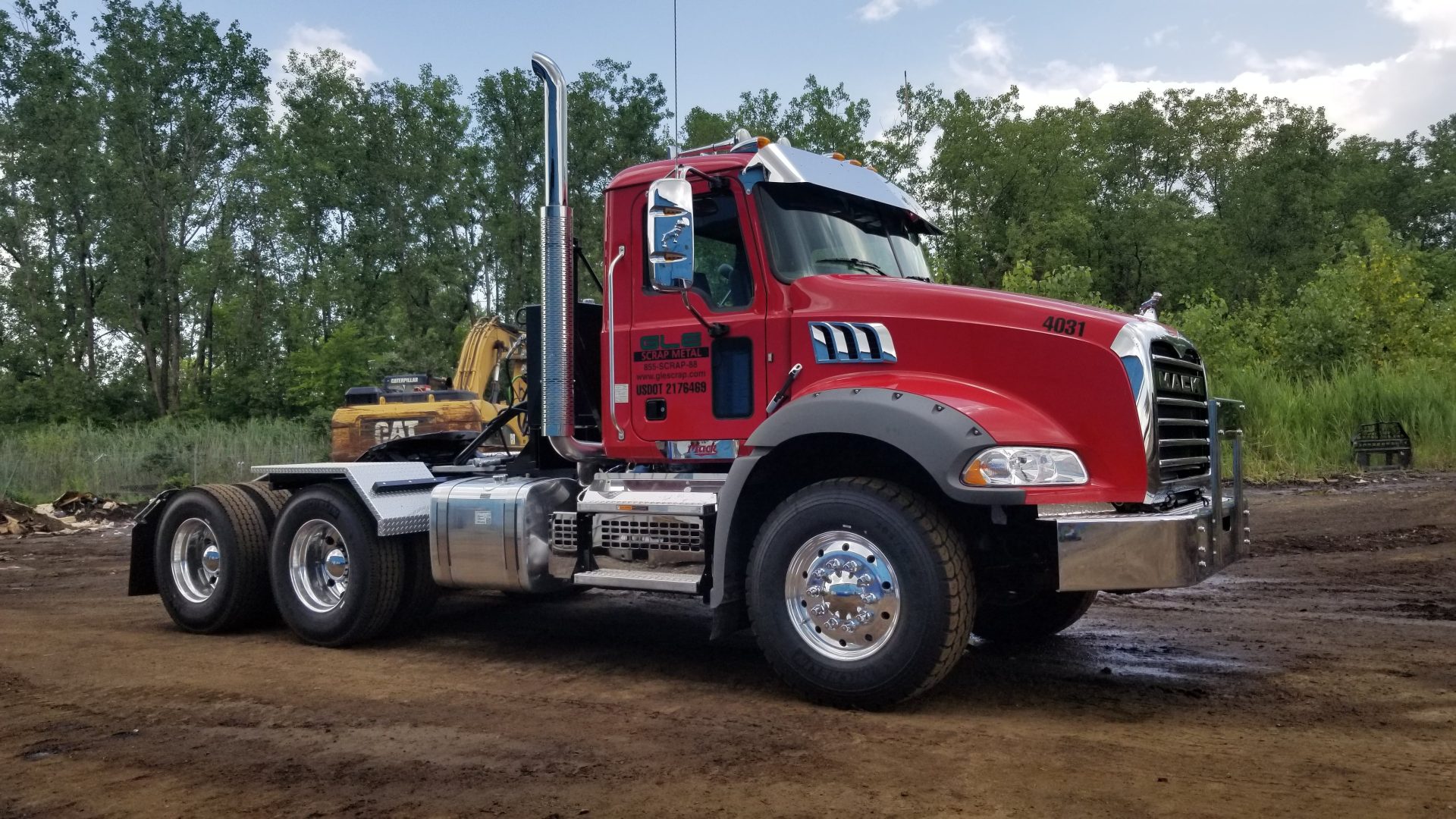
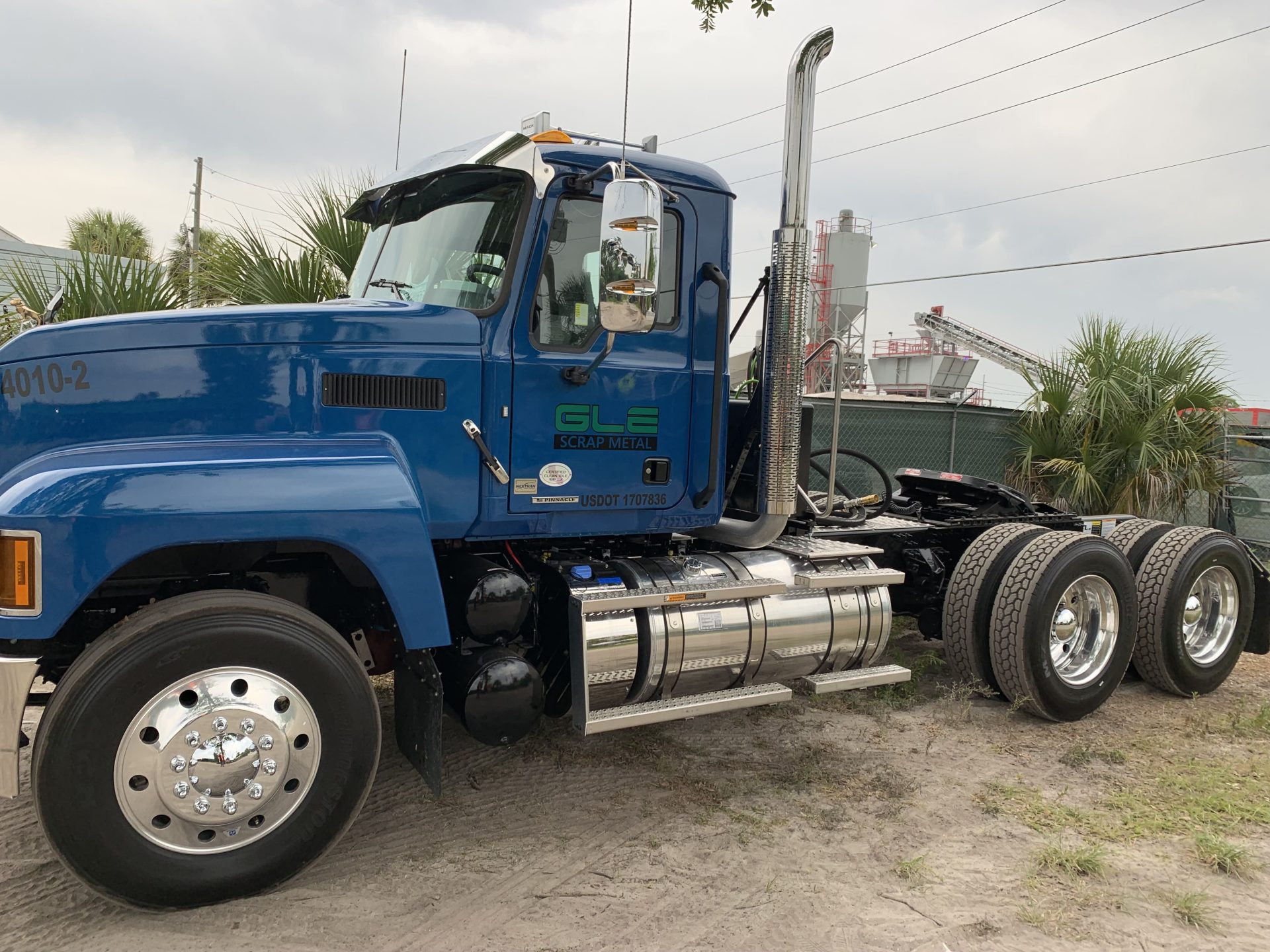
That’s exactly where GLE Scrap Metal comes in. Our A-rated, fully insured fleet and scheduled pickup turn all of these benefits from theory into your everyday operation: predictable costs, faster cycles, cleaner loads, and a greener footprint.
Not sure which logistics partner is right for you? Start with our breakdown on how to choose a logistics company, then dig into our full logistics and transportation services.
Ready to turn scrap into a strategic asset? Request a quote today or call the GLE team at 855-SCRAP-88, and let’s get your material moving smarter.
FAQs for Scrap Metal Pickup
What is scrap metal logistics optimization?
It’s the practice of planning how your scrap moves, from pickup to delivery, instead of handling it reactively. That means consolidating loads, scheduling pickups, and keeping material sorted so you cut costs, speed up turnaround, and protect your material’s value across the entire chain.
How does optimized scrap metal pickup reduce costs?
Two big ways: fewer miles and fewer emergency runs. Consolidating scrap into scheduled, full-load hauls lowers fuel burn and labor costs, and working with a U.S.-based partner trims mileage and tariff exposure, turning an unpredictable expense into a budget you can forecast.
Does logistics affect how much my scrap is worth?
Absolutely. Proper handling and segregation from pickup through delivery keep your loads clean and uncontaminated, which earns better recovery rates and fewer rejected shipments. Sloppy handling downgrades your material and your payout before it ever reaches the buyer.
How often should a business schedule scrap metal pickup?
It depends on your volume, your space, and how fast your material accumulates. The best move is to contact the GLE team so we can build a pickup rhythm around your operation, keeping your worksite clear and your cash flowing.
Does GLE pick up scrap metal directly from my business?
Yes, GLE’s A-rated, fully insured fleet handles scrap metal pickup straight from commercial and industrial sites, so you’re never stuck arranging your own hauling. Just tell us your location and volume, and we’ll build a pickup schedule that fits your operation.
Have a smaller load? Businesses are also welcome to drop off at our facilities.
What’s the difference between scheduled pickup and on-demand hauling?
On-demand hauling is reactive: you call when the pile gets out of hand, and you pay a premium for the rush. Scheduled scrap metal pickup flips that: consolidated, planned hauls that lower your fuel and labor costs and keep your worksite clear. The result is a predictable budget instead of surprise emergency runs.