Scrap doesn’t generate value until it leaves the site. That’s the operational reality every plant manager, demolition foreman, and facility director knows by Wednesday afternoon, when staging areas are full, the floor is backing up, and the next phase of work can’t start until the haul-away is done.
Logistics is where metal recycling either runs smoothly or quietly costs you money. A reliable scrap metal logistics company protects your uptime, your payout, and your compliance record. The wrong one creates bottlenecks, exposes your team to safety risk, and turns a routine cleanout into a project management problem.
This guide walks operations and facility leaders through what to evaluate when selecting a scrap metal logistics provider, and the questions that separate a true partner from a one-truck vendor.
What a Scrap Metal Logistics Company Actually Does

Before you can vet a provider, you need a clear picture of the scope. A full-service scrap metal logistics partner does more than haul material; they’re an operational extension of your facility.
- Scheduled and on-call pickups for recurring and one-time generators
- Container drop-off and swap-out — roll-offs, lugger boxes, hoppers, Gaylords
- Flatbed, van trailer, and specialized hauling for oversized or sensitive loads
- Load consolidation across multiple sites or facilities to reduce trips and cost
- Material transfer between processing facilities for efficient routing
- Settlement documentation, weight tickets, and material classification
The scope is broader than most assume, and that’s exactly why the partner you choose matters.
How the Right Partner Impacts Your Bottom Line
Logistics quality isn’t just an operational concern; it shows up directly on your profit and loss (P&L). The right partner produces measurable downstream effects across multiple lines of the business:
- Reduced downtime on staging areas and active job sites
- Faster cash conversion on the generated scrap
- Lower internal labor costs are spent on scrap handling and coordination
- Reduced liability exposure from on-site incidents and uninsured carriers
- Cleaner compliance record for audits, internal reporting, and documentation
- Better predictability in monthly material flow forecasting
When you treat logistics as a strategic decision rather than a commodity line item, the operational gains compound month over month.
6 Criteria for Evaluating a Scrap Metal Logistics Company
Choosing the right logistics partner comes down to a handful of core areas, such as fleet capability, container options, response time, safety standards, geographic coverage, and transparent pricing that separate a real partner from a vendor.
Use the criteria below as your vetting checklist before signing any service agreement.

1. Fleet Capability and Equipment Range
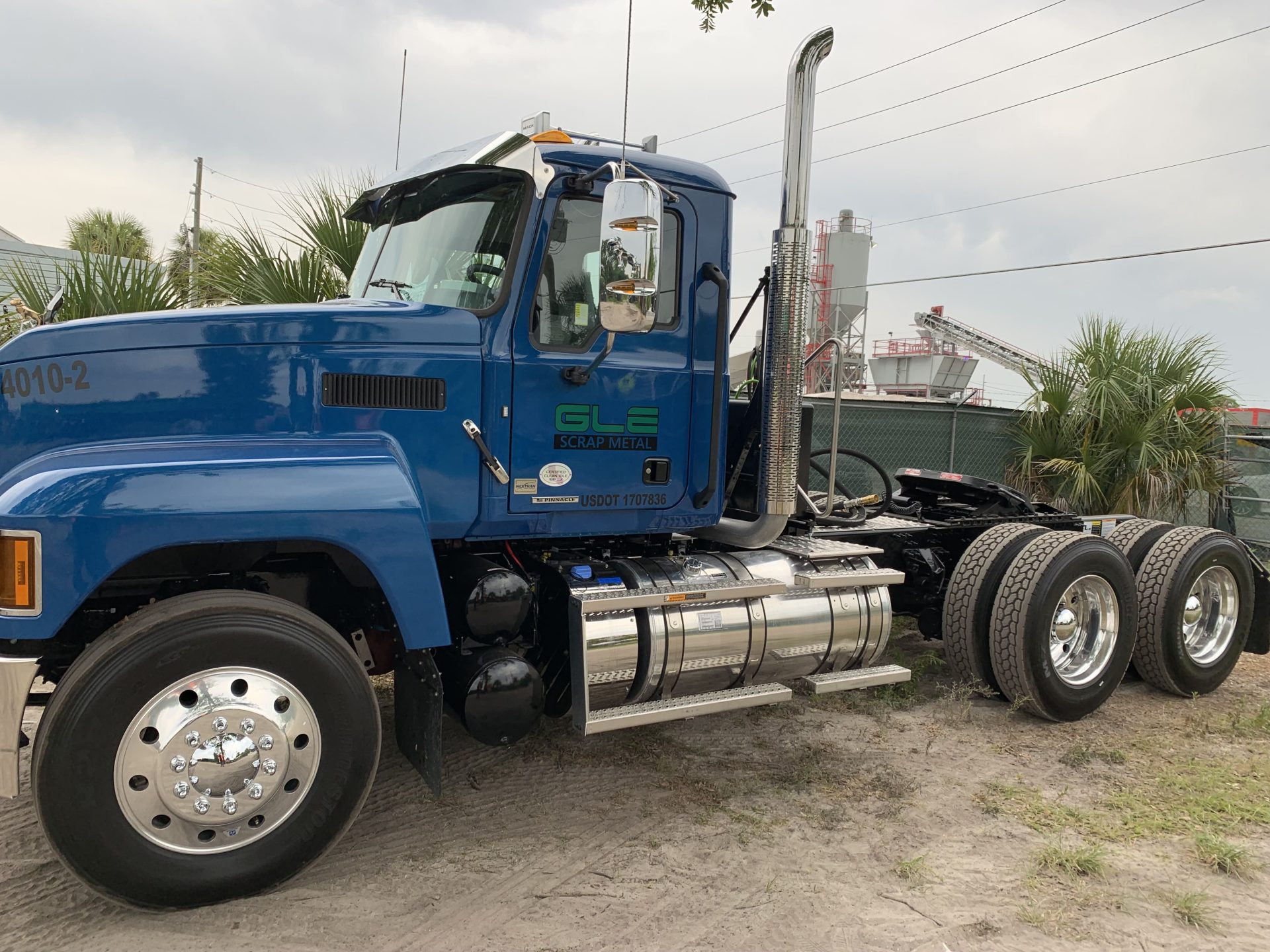
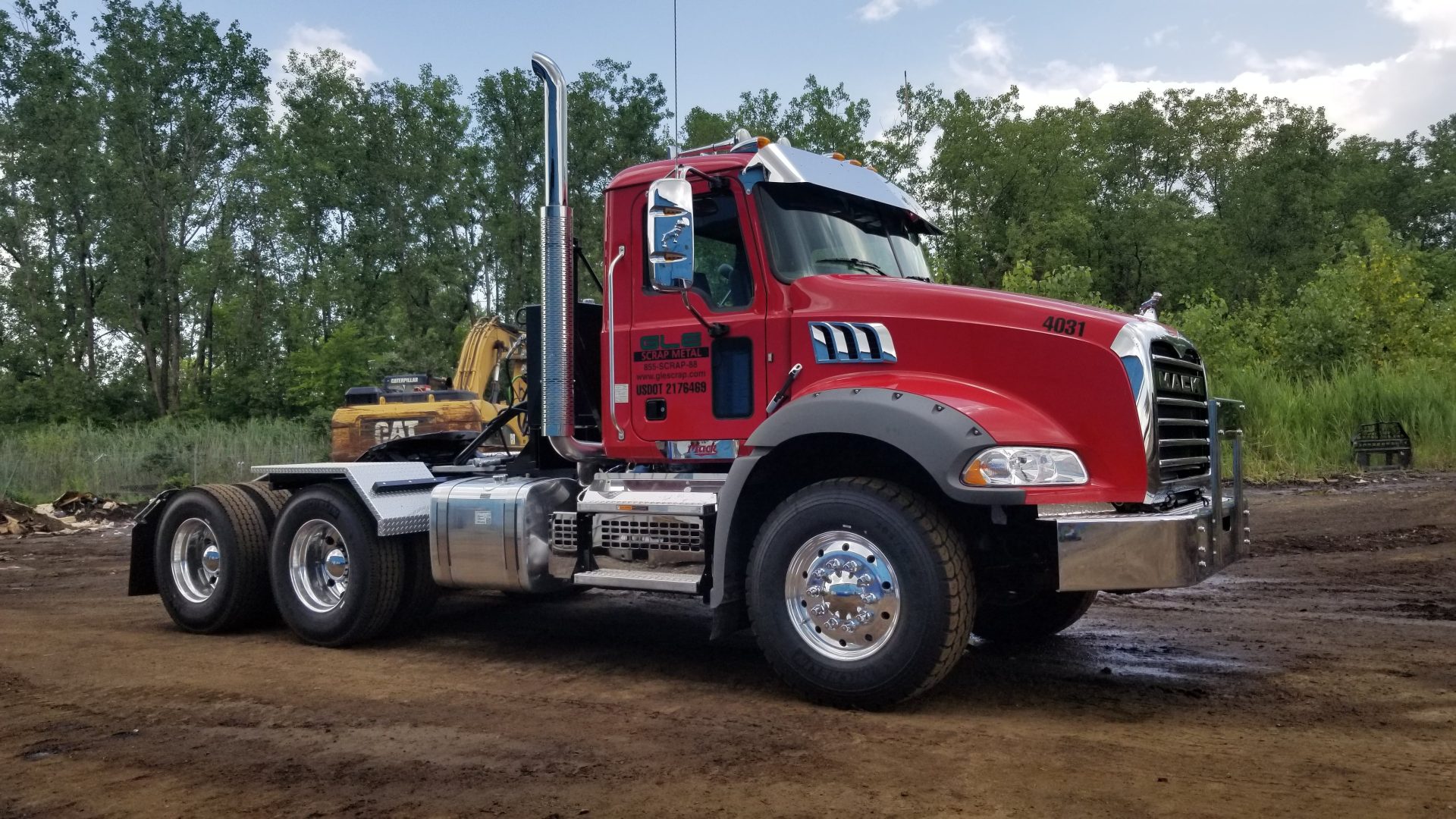
Does the provider have the right trailers, roll-offs, and vehicle types for your load profile? A single box truck can’t service a demolition site, and an undersized fleet can’t absorb surge demand.
Fleet capability is the difference between a partner that scales with you and one that becomes a bottleneck. Ask about:
- Total fleet size and distribution across their service area
- Equipment variety
- Weight ratings that match your heaviest loads
- Backup capacity for when a truck goes down or a route is disrupted
If the answer to “what’s your backup plan?” is vague, you’ve already found a problem.
2. Container Options for Your Load Profile
The right container setup keeps scrap moving off your floor and off your site. The wrong setup creates pile-ups, slows production, and turns a clean staging area into a safety hazard.
Evaluate the range of sizes and styles available:
- Roll-offs
- Lugger boxes
- Pallets
- Self-dumping hoppers
- Gaylords
Ask whether the partner can stage multiple containers simultaneously for larger generators, and whether they swap on a regular cadence rather than waiting for a single fill. Containers should match your material type, your volume, and your site’s access constraints.
3. Response Time and Scheduling Flexibility
On active sites, a 48-hour delay is a production problem. On a demolition project running on a tight timeline, it’s a contractual liability. Evaluate how quickly the partner can dispatch after a call and whether they offer standing-schedule pickups for recurring generators.
Equally important, confirm capacity for surge pickups during plant shutdowns, demolition phases, or end-of-quarter cleanouts. The best partners have built-in flex capacity. Weaker ones quote you a date two weeks out and hope you wait.
4. Safety Standards and Insurance Coverage
Any partner entering your facility becomes an extension of your safety program. Their incident becomes your incident report. Their uninsured driver becomes your liability exposure.
Verify full commercial auto, general liability, and cargo coverage from an A-rated carrier, and request a Certificate of Insurance naming your entity as an additional insured before the first pickup. Then ask about driver training, load-securement protocols, and incident history; their safety record becomes part of yours.
5. Geographic Coverage and Facility Network
A single-yard operator has limited routing efficiency. They quote you what their lane allows, not what your operation actually needs.
A multi-facility operator can consolidate loads, reduce deadhead miles, and process materials closer to your site. That often translates into better pricing, faster turnaround on recurring pickups, and routing flexibility when one facility is at capacity.
If you’re operating across multiple sites or regions, network footprint isn’t a nice-to-have; it’s a structural requirement for predictable performance.
6. Transparent Pricing and Clean Documentation
Scrap values move daily. The best partner in the market won’t help you if their pricing is opaque or their paperwork is inconsistent.
A strong logistics partner is clear about how market pricing is applied to your loads, and delivers clean, traceable documentation on every pickup: weight tickets, bills of lading, and material classification.
This paperwork becomes your audit trail for finance, compliance, and reporting. Vendors give you receipts. Partners give you a paper trail you can actually defend.
The Questions That Separate a Real Partner From a Vendor

A vendor takes the call. A partner understands your operation. Before signing any agreement, ask:
- Can you provide references in my industry, such as demolition, manufacturing, industrial, or municipal?
- What’s your standard response time for a pickup request?
- How do you handle surge volume during shutdowns or phased demolition?
- Can you consolidate loads across multiple sites or facilities?
- What does your settlement documentation look like?
- Who is my direct point of contact when something goes wrong?
If the answers are vague, generic, or defensive, you’re talking to a vendor, not a partner.
Ready to Move Your Scrap Faster, Safer, and Smarter?
If your current logistics setup is creating bottlenecks, or if you’re vetting a new provider, GLE Scrap Metal can help.
GLE Scrap Metal operates a multi-facility network across Florida and Michigan, designed to support industrial, demolition, manufacturing, and municipal accounts that need reliable, accountable, and scalable scrap logistics.
- A-rated and insured fleet servicing commercial and industrial generators
- Multi-facility footprint enabling efficient routing and load consolidation
- Container and roll-off options sized to match your material profile and site access
- On-time pickup performance is a standing operational commitment
- Experience servicing demolition contractors, manufacturing plants, industrial facilities, and municipal accounts
- Service flexibility — from one-time pickups to standing commercial recycling programs
- Clean settlement documentation on every load
Whether you’re managing a single facility or coordinating scrap across multiple sites, the right logistics company becomes a measurable advantage. Learn more about our scrap metal logistics and transportation services, or request a custom quote for your operation.