
Send the same load to two facilities, and you can get back two very different numbers. Same steel, same copper, same pile, different check.
For most operations managers, that gap is a black box. You get a quote, you take it, or you don’t, and you never really find out why one buyer valued your material higher than the next.
By the end of this, you’ll know which factors actually move your payout and, more importantly, which of them you control, so you can position your scrap stream to capture more of what it’s worth.
Key Takeaways
- Scrap pricing isn’t a flat rate. Your metal is a commodity, and its value shifts with grade, market conditions, and how the material is prepared before it’s sold.
- Non-ferrous leads. Copper, aluminum, brass, and other non-ferrous metals command the premium, and clean, sorted grades always outpay mixed loads.
- Most value drivers are in your control. Sorting at the source, keeping material clean, and consolidating volume directly raise what you’re paid.
- Logistics is part of the payout. A buyer that processes and hauls with its own insured fleet removes cost from your side of the ledger, so more of the material’s worth stays yours.
Why Scrap Prices Aren’t a Flat Rate
Scrap metal has no sticker price because it isn’t a finished product; it’s raw material headed back into the supply chain. What a buyer can pay you is set by what they can sell it for, and that changes constantly.
Three things drive it.
- First, the metal itself: a ton of clean copper and a ton of mixed steel are worth very different amounts, because they feed different markets.
- Second, those markets move: global demand, manufacturing activity, and export conditions all push the number up or down week to week.
- Third, the cost to turn your material into something a mill can use: a clean, sorted load is ready to go, while a contaminated or mixed one takes processing that comes out of your price.
So two facilities can quote the same pile differently. Not because one is “cheating” you, but because they’re each pricing against a moving market and their own cost to handle what you’re selling.
The 6 Factors That Determine Your Scrap Metal’s Value
So if scrap isn’t a flat rate, what actually sets the number? It comes down to six factors. Some are market forces you can’t control, but most of them you can, and that’s exactly where the opportunity is.
Understand what moves your payout, and you can position your scrap stream to capture more of what it’s worth on every load.

1. Metal Type and Grade
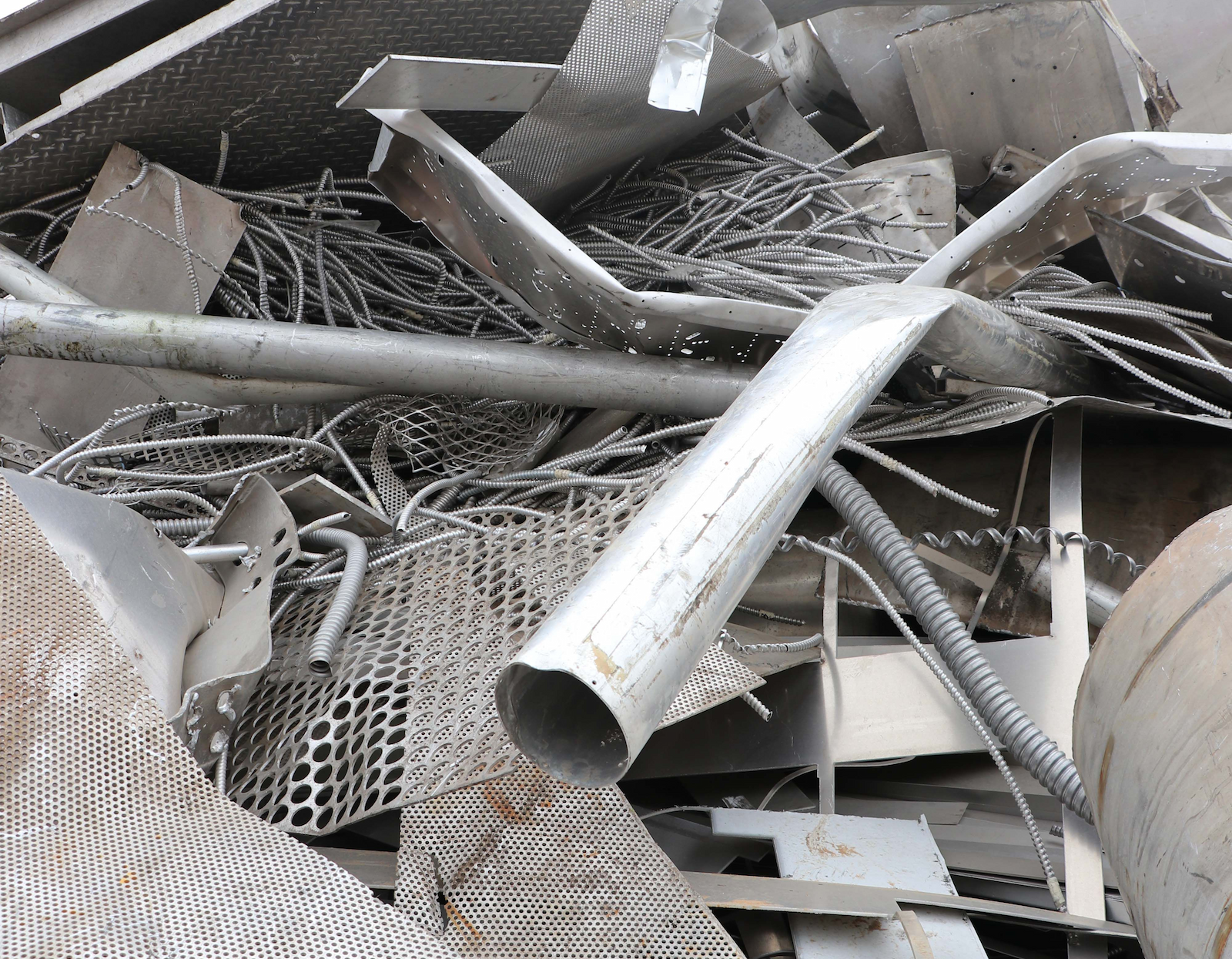
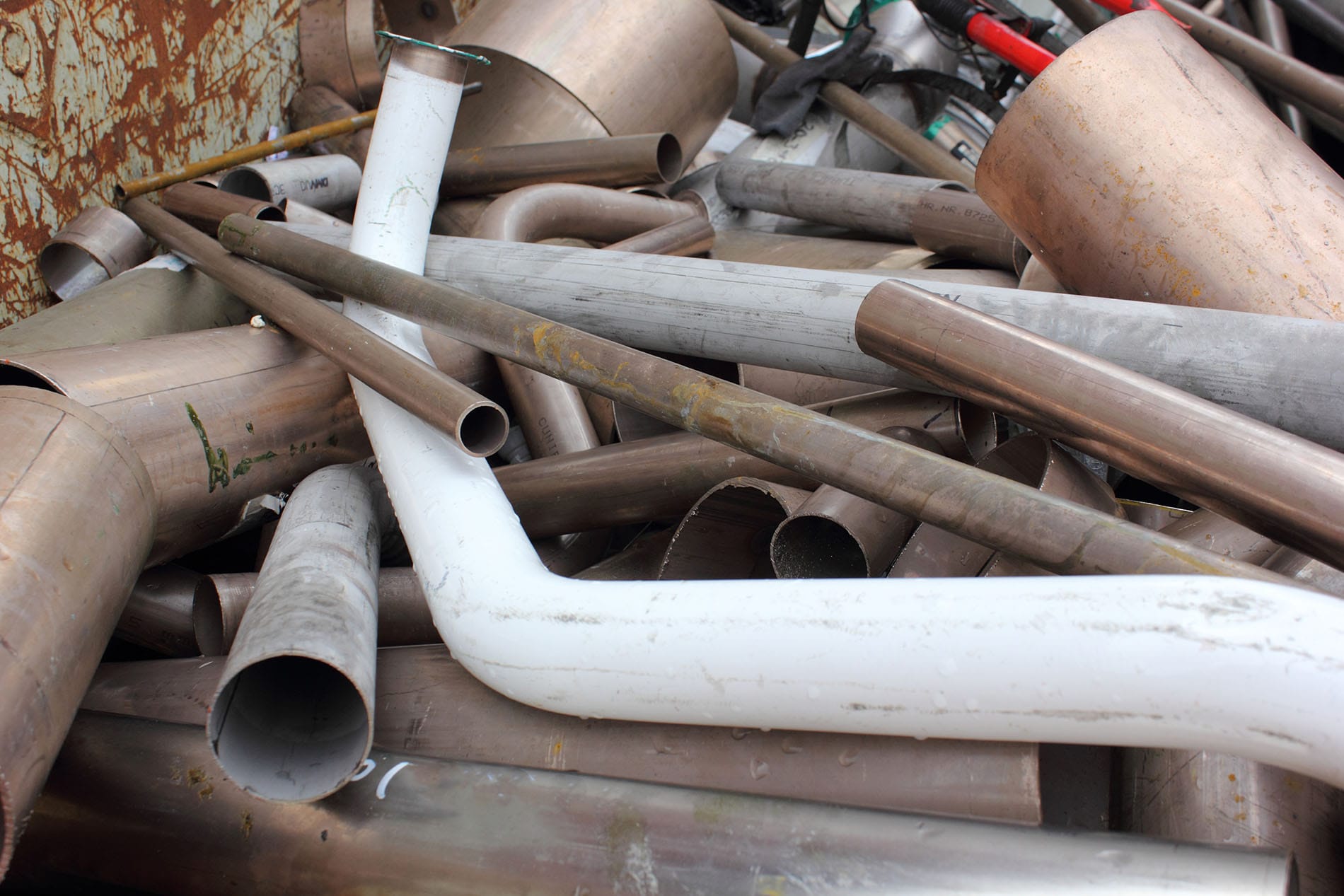
The first driver is what you’re actually selling. Ferrous metals (iron and steel scrap — anything a magnet grabs) trade at one tier. Non-ferrous metals sit well above them, and it’s the non-ferrous stream that industrial buyers watch most closely:
- Copper
- Aluminum
- Brass
- Stainless
- Nickel-bearing alloys
If your operation generates non-ferrous scrap in Tampa, that’s your premium material, and it deserves to be handled as such.
But type is only half the story. Grade matters just as much.
- Clean copper is worth more than mixed
- Bare bright beats insulated
A sorted, consistent grade tells a buyer exactly what they’re getting, and clarity commands a better number than a mystery pile every time.
2. Current Commodity Market Conditions
Scrap tracks the broader metals market, global exchange pricing, and real downstream demand. When manufacturing is running hot, when construction is active, when export markets are hungry, prices firm up.
When those cool off, the number softens. This is why a quote can move week to week and even day to day.
None of that is arbitrary, and a legitimate buyer will explain it. If a facility is quoting you without any reference to where the market is, that’s worth noticing. A real partner tells you why today’s number looks the way it does instead of leaving you to guess.
3. Weight and Volume Consistency
A one-off load and a recurring stream are not the same thing to a buyer, and they don’t get treated the same way. Predictable, consistent volume is what buyers build relationships around, and relationships are where better terms come from.
If your facility reliably produces manufacturing offcuts, fabrication scrap, or steady demolition and HVAC/electrical material, you’re more valuable to a buyer than a single truckload that shows up once and disappears. Consistency is leverage. Use it.
4. Cleanliness and Contamination
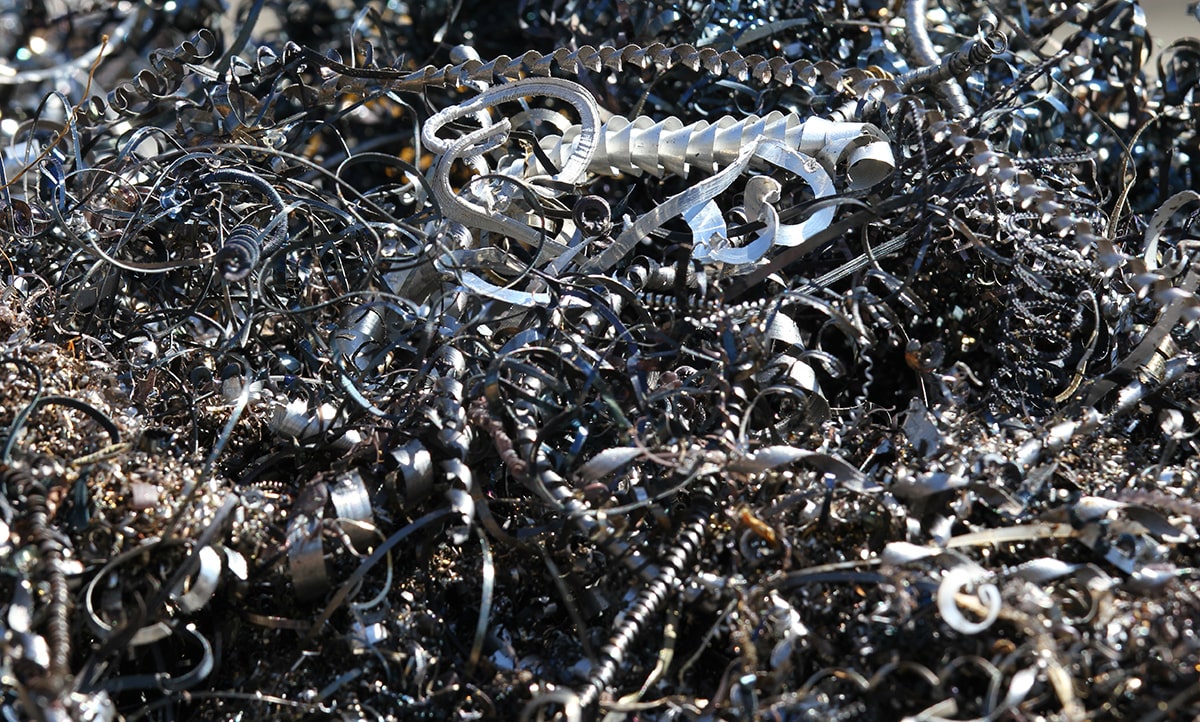
Contamination quietly costs you. Attachments left on the material, coatings, and mixed metals all drag a load down a grade, because the buyer now has to account for the work of separating and cleaning it before it’s market-ready.
The flip side is the opportunity: material that’s separated and prepped at the source grades higher and pays better. Sorting your copper from your aluminum, keeping grades from getting mixed in the same bin, pulling obvious attachments. These small habits on your floor protect real dollars on the scale.

5. Preparation and Processing Requirements
Related but distinct: some material needs additional processing before it can be sold into the market. Every bit of that handling carries a cost. That cost comes out of the value somewhere along the line; either the buyer eats it and quotes you lower, or you pay to have it done first.
This is exactly where a processor with real capability earns its place. GLE’s non-ferrous processing turns material others would discount into material ready for market, capturing value a less-equipped buyer simply leaves on the table.
The difference between a yard that only buys scrap and one that processes it often shows up directly in your payout.
6. Logistics and Transport
The last factor is one businesses routinely underestimate: how the metal actually moves. Loading, hauling, and coordinating transport is a real cost and a real headache, and every dollar and hour it consumes is a dollar and hour working against your net.
A buyer that runs its own fleet removes that burden from your side of the ledger entirely. GLE’s logistics and transportation team coordinates scheduled pickup with an A-rated, insured fleet not as an afterthought bolted onto the sale, but as part of what the value equation actually is.
When you don’t have to solve transport yourself, more of the material’s worth stays yours. For a deeper look at squeezing cost out of this piece, see our guide on optimizing scrap metal pickup and logistics.
How Tampa Businesses Get the Most for Their Metal
You can’t control the market, but you can control most of what’s left. Put those factors to work, and a short, practical checklist falls out:
- Separate by type and grade. Don’t let clean material get diluted in a mixed bin.
- Keep it clean. Pull attachments and avoid contamination at the source.
- Consolidate your volume. Steady, predictable streams earn better standing with a buyer.
- Partner with a processor that handles logistics. Capture the processing and transport value instead of surrendering it.
Value isn’t a single transaction you win or lose on a given Tuesday. It’s the outcome of a partnership: the right grade, prepped the right way, moving on a predictable schedule, sold to a buyer equipped to pay for all of it.
For a fuller breakdown of the market mechanics behind these levers, our post on the factors that affect scrap metal prices goes another layer deep.

Selling Scrap in Tampa — What to Know
GLE’s Tampa scrap metal recycling facility is built for commercial and industrial accounts. It’s a pickup and appointment-based operation closed to the general public and structured around scheduled service rather than walk-in drop-off.
Located off U.S. 301 and I-75, it serves businesses across Hillsborough County, including Temple Terrace, Brandon, and the Port Tampa Bay area.
This model is designed for operations that generate scrap as a byproduct of real work. People like plant managers and procurement directors at manufacturers, demolition and construction contractors, and HVAC and electrical contractors with recurring non-ferrous streams. If that’s you, a scheduled pickup keeps your material moving without pulling your people or trucks off the job.
If you’d prefer to bring material in yourself, our Daytona and Orlando facilities are open to the public Monday through Friday.
Get Transparent Pricing with GLE Scrap
What your scrap is worth isn’t luck. It’s grade, prep, volume, and the right partner, and most of that is inside your control once you know where to look.
Ready to see what your scrap stream is actually worth? Schedule a pickup with GLE Scrap Metal by calling 855-SCRAP-88 and put a commercial scrap metal buyer that processes and hauls its own material to work for your Tampa operation.
FAQs
What determines the value of scrap metal in Tampa?
Value is driven by metal type and grade, current commodity market conditions, the consistency of your volume, how clean and contamination-free the material is, any processing it requires, and logistics. Non-ferrous metals like copper, aluminum, and brass typically command the highest value.
Does GLE offer scrap metal pickup for Tampa businesses?
Yes. GLE’s Tampa facility is appointment-based and serves commercial and industrial accounts with scheduled pickup coordinated by our logistics team across the Tampa Bay area.
How can a business increase what it earns for its scrap?
Separate material by type and grade, keep it clean and free of contamination, consolidate volume into a consistent stream, and partner with a buyer that processes and transports the material.
Why do two facilities quote different prices for the same scrap?
Scrap metal is a commodity, not a fixed-price catalog item, so quotes reflect grade, market conditions, and how much processing and transport each buyer must absorb. A buyer that processes and hauls its own material can often account for that value differently than one that does not.